
"Indian coffee beans"
3000 article(s) found

Introduction of Indian Coffee Asian Coffee Bean producing countries
There are several reasons why Indian coffee is so popular in coffee hobbies, but the most important one is a process used in coffee beans, often called the monsooning process. In the past, passengers or cargo sailed to and from India, which took months to reach Europe. In transit, due to the high air humidity, the taste of raw coffee beans and

Rainy season beans and aged beans Indian coffee dark chocolate flavor Asian coffee
When it comes to Asian coffee, the first impression of coffee lovers is often calm and calm. Asian coffee is generally characterized by thick flavor, strong sweetness and round taste, but slightly flat aroma and brightness. It is precisely because of the heavy nature of Asian coffee that it is very suitable to be used as a base when making Italian coffee. Raw coffee beans in Asia are generally processed by wet or semi-wet methods.

Indian Coffee Manor Arab Plantation Coffee
The best Indian coffee is also classified as Arabian plantation coffee, with the best grades A, B, C and T. Monsoon coffee is divided into high-quality Malabar (Monsooned MalabarAA grade coffee) and monsoon Bassanicoli (Monsooned Basanically) coffee. India also produces some bean-shaped berry coffee. At present, the problem facing the coffee industry is bureaucracy.

Rainy season beans and aged beans Indian coffee with strong flavor and low sour taste
1. A variety of fine coffee. It is better to use Arabica inherent variety Tibica or bourbon variety. two。 Is the altitude, topography, climate, soil and refinement of the cultivated land or farm clear? Generally speaking, the coffee with high altitude is of higher quality, and the fertile volcanic soil is the best. 3. The harvesting method and refining method are adopted. Generally speaking, manual harvesting method and washing essence are adopted.

Slippery, delicious coffee with uniform particles, Indian coffee.
There are several reasons why Indian coffee is so popular with coffee hobbies, but the most important one is a process used in coffee beans, often called the monsooning process. In the past, passengers or goods sailed to and from India, which took about several months to reach Europe. In transit, due to the high air humidity, the taste of raw coffee beans
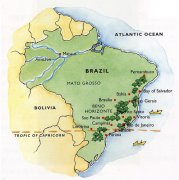
Indian coffee rainy season beans and aged beans Asian boutique flavor coffee products
When it comes to Asian coffee, the first impression of coffee lovers is often calm and calm. Asian coffee is generally characterized by thick flavor, strong sweetness and round taste, but slightly flat aroma and brightness. It is precisely because of the heavy nature of Asian coffee that it is very suitable to be used as a base when making Italian coffee. Raw coffee beans in Asia are generally processed by wet or semi-wet methods.

Indian coffee mild coffee taste boutique coffee Asian boutique coffee flavor
The term "fine coffee" was first put forward by Ms. Knudsen of the United States in Coffee and Tea magazine. At that time, Ms. Knudsen, as a coffee buyer at B.C. Ireland in San Francisco, was very dissatisfied with the neglect of the quality of raw coffee in the industry, and even some big roasters mixed a large amount of Robesda beans in the comprehensive beans, so she put forward the concept of boutique coffee.

How did the Indian wind stain treatment come from? What are the characteristics of Malaba coffee?
Professional coffee knowledge exchange more coffee bean information Please follow the coffee workshop (Wechat official account cafe_style) it is said that a long time ago, when raw coffee beans were shipped from India to Europe, changes were caused by high temperatures and moisture in the Indian Ocean, and this is where "wind stains" came from. In addition to the expansion and enlargement of the size of the raw beans after wind-soaked, the color of the raw beans is also changed from green to green.
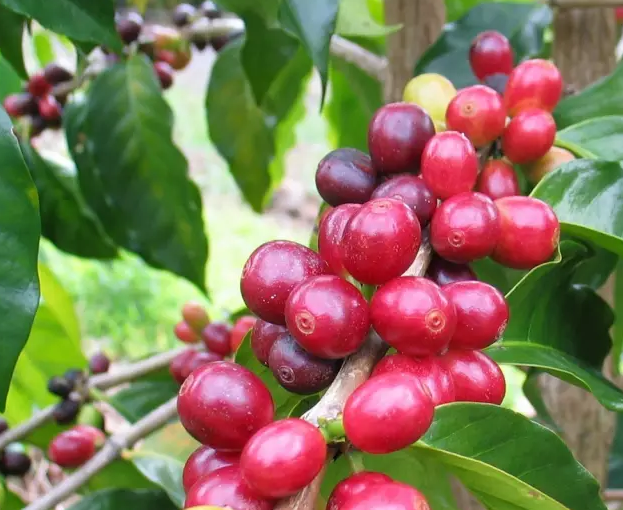
Indian Malabar style-stained coffee describes in detail how to maintain the effect of production methods on flavor.
When it comes to Asian coffee, most people will first think of Indonesian gold Manning and Toraya, or Vietnamese coffee or Liaoguo coffee, as well as recently developed coffee from Taiwan and Yunnan in China. Indian coffee has a long history, and it is also the first country in Asia to grow coffee. It has always had a place in the coffee world.

Flavor characteristics of Indian monsoon Malaba coffee monsoon treatment of coffee beans
Background of Malaba in India in the 17th century a Muslim named BABA BUDAM made a pilgrimage to Mecca and brought coffee tree seeds back to India. He planted the seeds near his hut in mysore. In 1840, the British began to plan to grow coffee in South India. Karnataka, located in the southwest of malabar, India, is a major producer.

Recipe and technique of Indian Coffee Fancy Coffee making course
Indian coffee is a relatively pure fancy coffee, so it has a higher demand for black coffee on the base. It is best to use no more than seven days of deep-roasted fresh coffee beans to extract.

Serious flooding in India Coffee production reduced _ Coffee grown in India? how about Indian Coffee
Professional Coffee knowledge Exchange more coffee bean information Please pay attention to coffee workshops (official Wechat account cafe_style) previous torrential rains have triggered floods and landslides, causing damage to large tracts of coffee forests in southern India and possibly causing coffee production in India to fall to the lowest level in 21 years in the next season. Southern India is the third largest coffee producing region in Asia, and the state-run coffee shop had expected

Indian Wind stain treatment Coffee Flavor how to introduce the specific process of Wind stain treatment
For the exchange of professional baristas, please follow the coffee workshop (Wechat official account cafe_style) [wheat flavor, tea flavor] India Monsooned Malabar AA | weathered beans (India Monsooned Malabar AA) production area: India Malabar raw bean treatment method: wind stain treatment grade: AA flavor introduction wheat and straw flavor, roasted nuts, dried wood, Nanyang

Flavor and taste of Indian coffee treated by monsoon
As early as the time of the British Oriental Trading Company, coffee and spices were transported from India to large wooden ships near the Cape of good Hope. The journey took months, and the coffee was exposed to moist air and wind, changing its characteristics. The coffee turns light golden, expands, loses acidity, and has an earthy taste. Europeans like this kind of coffee and are addicted to its taste. Sue

Does India produce coffee? what is the origin of Indian coffee beans? what are the flavor and characteristics?
Professional coffee knowledge exchange more coffee bean information Please pay attention to the coffee workshop (Wechat official account cafe_style) in fact, India is rich in coffee beans, about 250000 people in the country grow this economic product, coffee is suitable for growing in a warm environment, between the Tropic of Cancer is called the coffee belt (coffee zone), but for fear of high temperature destroying the characteristics of beans, it is mostly planted in
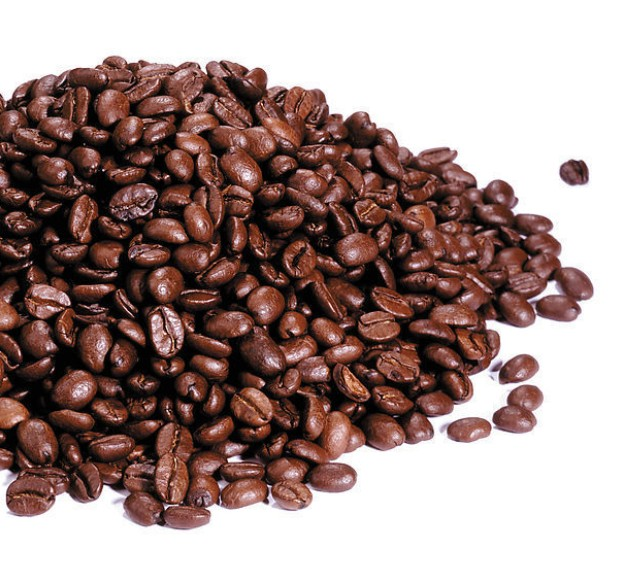
The grades of Indian coffee beans in Asia are classified as A, B, C and T
There are several reasons why Indian coffee is so popular in coffee hobbies, but the most important one is a process used in coffee beans, often called the monsooning process. In the past, passengers or cargo sailed to and from India, which took months to reach Europe. In transit, due to the high air humidity, the smell of raw coffee beans

Indian-style Malabar coffee has been favored by Europeans since the 17th century.
Professional coffee knowledge exchange more coffee bean information Please follow the coffee workshop (official Wechat account cafe_style) refined wind-stained coffee on rainy days ~ we'll talk about it later. Coffee became the number one drink in the world only 1600 years later, so the recorded history of coffee is only 400 years similar to that of Taiwan. Most people recognize that Africa is the origin of coffee.

What kind of coffee is Indian monsoon Maraba? introduction to the natural drying method of special sun in India
Professional coffee knowledge exchange more coffee bean information please follow the coffee workshop (Wechat official account cafe_style) Indian coffee was brought into the establishment of the first coffee farm by pilgrims as early as the 16th century. You may not imagine that India produces much more coffee than Ethiopia and any Central American country, with 900000 hectares of land growing coffee beans and about 140000 in India.
Indian monsoon treatment wind-stained Malaba boutique coffee cooked beans freshly roasted mellow black coffee
Coffee beans details: country: India production area: Malaba coast producer: India local farmers altitude: 3-1100 m treatment method: sun wind stain treatment grade: AA flavor: wheat, walnut wood, Nanyang spice, black honey every May or June, there will be a monsoon phenomenon in southwestern India, exposing raw coffee beans to the caress of the Indian Ocean seasonal sea breeze

Description of the flavor characteristics of Indian monsoon coffee and the origin of wind-stained coffee
Wind-stained coffee is a new flavor created inadvertently. In the 17th and 18th centuries, India shipped coffee beans to Europe by sailboat, which took six months. The raw beans were placed on the bottom of the barn and absorbed the moisture and salty taste of the sea. The raw beans arrived in Europe and had deteriorated. The color changed from dark green to the yellowish brown of rice. The acidity of the coffee almost disappeared, but it unexpectedly developed thick nuts and grains.